


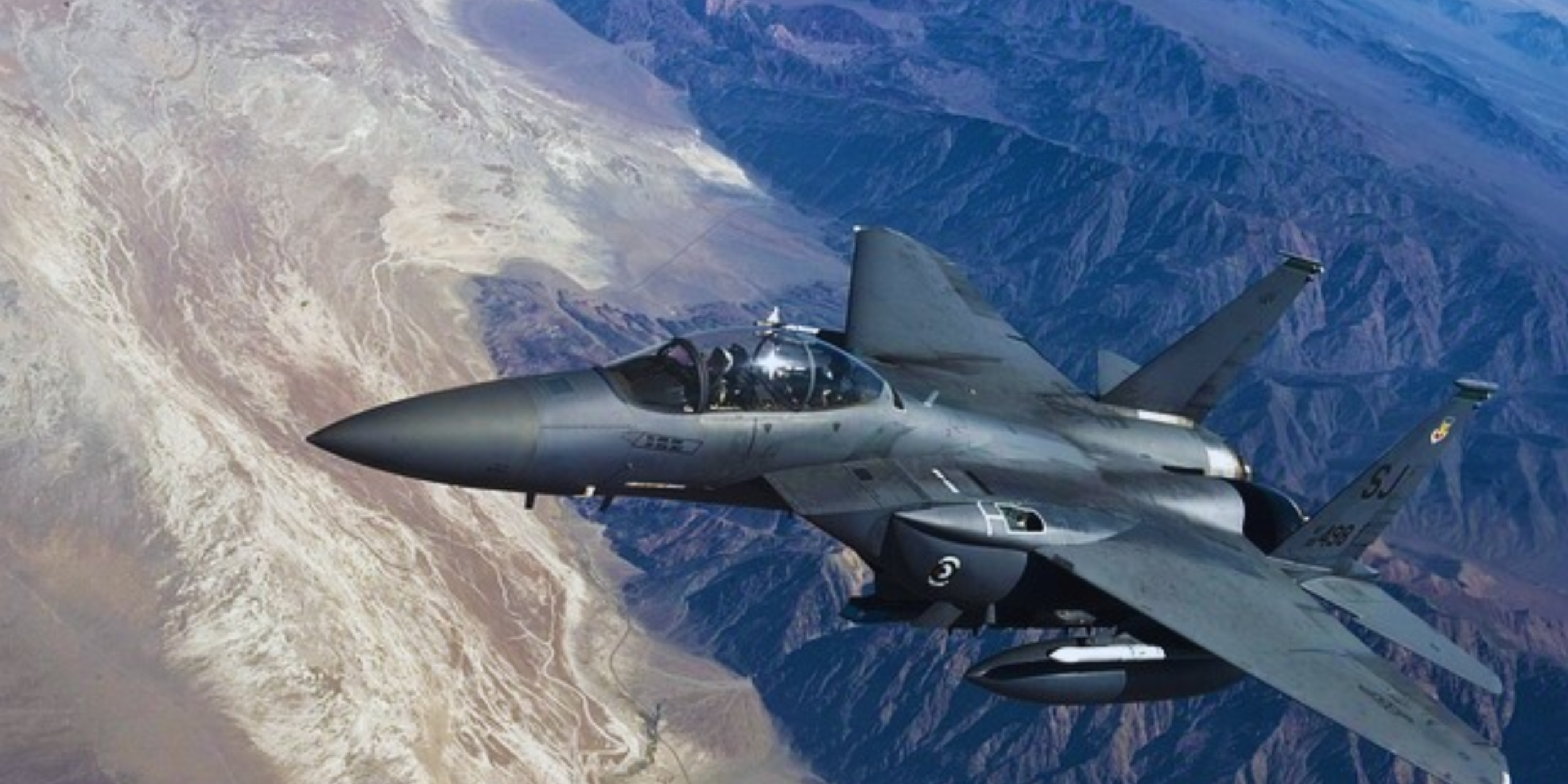
Italy Germany GCAP fighter collaboration of the new sixth-generation GCAP.
Italy is using the Global Combat Air Programme (GCAP) to reshape Europe’s next‑generation fighter landscape and is now openly signalling that Germany could join the project as tensions deepen with France over the rival FCAS program. Italy Germany GCAP Fighter Collaboration This creates a potential realignment in European airpower, with Rome, London, and Tokyo positioning GCAP as an attractive alternative for countries frustrated with FCAS politics and workshare disputes.
What GCAP Is.
GCAP is a sixth‑generation fighter initiative led by the United Kingdom, Japan, and Italy that aims to field a stealthy, network‑centric combat aircraft around 2035. The fighter is being designed to operate as the centerpiece of a “system of systems,” working alongside drones and advanced combat cloud architectures to dominate highly contested airspace.
Industrial leadership is split among Mitsubishi Heavy Industries in Japan, BAE Systems in the UK, and Leonardo in Italy, with a formal international organization created in 2023 to coordinate requirements and governance. The concept includes high internal weapon capacity, long range, and the processing power to control multiple uncrewed platforms in coordinated missions.


Why Italy Is Courting Germany.
Italian Defence Minister Guido Crosetto has publicly stated that several countries are interested in GCAP and explicitly mentioned that Germany could “probably” join in the future. He also confirmed serious inquiries from Australia, Saudi Arabia, and Canada, signalling that Rome sees GCAP as a broader strategic hub rather than a closed three‑nation club. Italy Germany GCAP Fighter Collaboration Crosetto argues that bringing in more partners increases financial critical mass, widens the pool of technical expertise, and spreads development costs among a larger base. Italy also underscores that the three founding nations agreed to cooperate on an equal footing, an implicit contrast with FCAS, where disputes over leadership and workshare have become highly politicized.
The FCAS Crisis With France.
FCAS, launched by France and Germany in 2017 and later joined by Spain, is intended to replace Rafale and Eurofighter Typhoon around 2040 with a New Generation Fighter linked to drones and a combat cloud. The program is valued at roughly 100 billion euros but is increasingly bogged down by disagreements over industrial leadership, intellectual property, and the division of work.
A central flashpoint is French contractor Dassault Aviation’s demand for dominant control of the manned fighter pillar and, according to German concerns, a disproportionate share of tasks reportedly approaching 80 percent on key elements. Italy Germany GCAP Fighter Collaboration German politicians and industry representatives have warned that FCAS governance has become “unsatisfactory,” with some voices in Berlin urging a reset or even an end to cooperation if current terms do not change.
Germany’s Strategic Options.
Against this backdrop, German decision-makers are now openly assessing alternatives beyond the original Franco-German FCAS vision. Options discussed include deepening work with Spain, bringing in Sweden through Saab—leveraging its Gripen and avionics expertise—or converging with the UK via GCAP, which some analysts see as more structured and advanced.
German Chancellor Friedrich Merz has acknowledged publicly that the FCAS situation is untenable and that Berlin and Madrid are pressing Paris for a rapid solution. Italy Germany GCAP Fighter Collaboration If no compromise is reached, Germany could either reshape FCAS without France, pivot toward a partnership with Sweden or the UK, or seek some form of accession to GCAP—each path carrying major implications for industrial returns and strategic autonomy.


How a German Move Would Shift the Balance.
If Germany ultimately chose GCAP over FCAS, the balance of power in Europe’s future air combat architecture would shift decisively toward the UK‑Italy‑Japan camp. Italy Germany GCAP Fighter Collaboration A German entry would bring one of Europe’s largest defense budgets and a strong industrial base, strengthening GCAP’s technological depth and export appeal while further weakening FCAS’s credibility.
For Italy, successfully attracting Germany would cement Rome’s role as a central broker between European and Indo‑Pacific defense ecosystems, reinforcing ties to both London and Tokyo. Italy Germany GCAP Fighter Collaboration France and Spain, however, such a move could force a painful recalibration—either accelerating reform of FCAS governance or pushing Paris closer to a more nationally focused fighter effort in order to preserve industrial leadership and strategic sovereignty.
1 thought on “Italy Germany GCAP Fighter Collaboration new Sixth-Generation.”